
How to Book Cheap Flights and Hotels: My 3-System Travel Booking Method
Before you even open a browser tab, you need to understand the logic here. We aren’t looking for “cheap” – we’re looking for value. If we end up sacrificing too much sleep or comfort, it’s a sign to keep searching. I tell people I only use three systems to book a trip. It sounds simpler at cocktail bars. The reality is that I’m currently staring at fourteen open tabs, a Wikipedia table, and a spreadsheet.

How to Book Cheap Flights Using the Google Flights Explore Hack
I don’t start with a destination. I start with the Google Flights Explore tool. I search for one-way flights from my home base (Prague) to “Everywhere.” It gives me a map of what’s actually possible. If Berlin or Vienna are significantly cheaper to fly out of, I’ll look at the train logistics – but the savings have to be massive (we’re talking $200+) to justify the extra hotel night and the commute. You have to be flexible on dates and destination, though.
Is it better to book directly with the airline?
The short answer: Yes. The long answer: It depends on the savings threshold. If I find a flight on Skyscanner that’s $20 cheaper than the airline’s site, I book direct. Why? Because if the flight gets cancelled, I want to talk to a human at the airline, not a chatbot for a third-party site based in a country I can’t find on a map. However, if the savings are $60 or more? I’ll risk the third party. I’ve used Kiwi.com for these “calculated risks” before.
The Flight Triangulation (And the Wikipedia Hack)
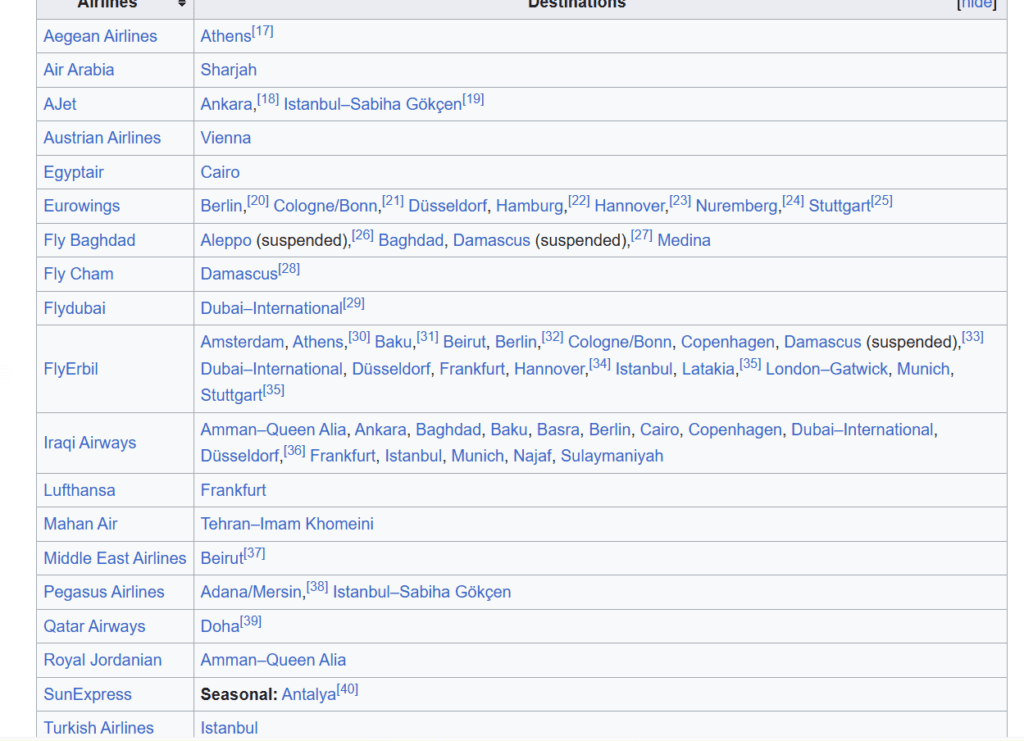
Once I find a route on Google Flights, I don’t stop there. I move to Skyscanner to see if there are better deals hiding in the cracks. But the real “travel hacker” move? The Wikipedia Hack.
Go to Wikipedia. Search for the airport of your destination (e.g., “Erbil International Airport”). Scroll down to the “Airlines and destinations” table. You will often find small, regional carriers that don’t pay to be on the big aggregators. I search their sites directly. It’s how you find the “Ghost Airlines” that the algorithm misses.
The Hotel Booking Strategy for Finding Independent Hotels and Better Deals
For hotels, I don’t trust the “Top 10” lists. I open Google Maps, zoom into the neighborhood where I actually want to be, and look for independent places.
Some of the best boutique spots only book direct or, in some countries, via a very polite email. I’ll use HotelsCombined, Trip.com, or Agoda to check the “official” price, but then I always compare it to the hotel’s own site.
I also check my credit card portals like Chase or Capital One. Sometimes they’ll price match, and the bonus points make it worth it.
Checking current point sales on Doctor of Credit can also be a big money saver, since buying hotel points at a great rate can end up much cheaper than cash rates in high season. Especially for IHG or Hilton where the 4th or 5th night booked on points is free.
Finally, if going more luxurious, I check ClassicTravel.com, which participates in all the major luxury hotel programs and Virtuoso, and gives extra bonuses to each booking like early/late check-out, free breakfast, $100 credit, and free room upgrades. We’ve found great value in a trips like The Peninsula Hong Kong.
Wanderlog Review: Is This the Best Travel Itinerary Planner for 2026?
Once the bookings are done, they all go into Wanderlog. It’s the central nervous system of the trip.
I use the free version, and honestly, it’s all you need. I just forward my confirmation emails to them, and it builds the itinerary automatically. I add notes, track expenses, and-most importantly- invite tripmates, so everyone knows what’s up (and can add their own ideas). This has been my go to for years on complicated multi-week itineraries with all modes of transportation, tours, restaurant reservations, and activity ideas.

I’ve also got a full breakdown of the tech I use to manage these itineraries on my travel gear page if you’re curious about the hardware side of things.
Blog Friends:
itravelnet.com – Travel directory.