
How to Preserve Travel Memories (5 Methods That Actually Work)
TL;DR
Fridge magnets are fine. Souvenirs for other people are not. (More on that in a second.) If you’re wondering how to preserve travel memories, the things that actually pull you back to a place aren’t objects sitting in a drawer… they’re sensory triggers you build on purpose while you’re still there. There are five main ones: a playlist built during the trip, a scent you wear nowhere else, a cooking class you actually repeat at home, one framed photo, and following the real people you met. Plus a few quick ones at the end that sound small but aren’t. The scent one sounds strange until you try it. Then you’ll never travel without it.
You’re lying in your own bed, two weeks home, staring at the ceiling. The trip is already fading. Not gon, just blurring at the edges the way things do when real life starts filling back in. You can still picture the place but the feeling is slipping, and you know it.
Most people’s answer to this is to buy something. A magnet, a tote bag, a small ceramic thing that will live in a drawer for four years and then quietly disappear. Objects as proof of experience. Memory outsourced to a shelf.
I buy magnets. I want to be upfront about that. Cheap ones, nothing over a few dollars, and they go on the fridge where I actually see them. But I don’t buy souvenirs for other people. Never have. It wasn’t their trip. It’s not their memory. And honestly, I don’t want the luggage weight, and I don’t expect anyone to bring me anything either. Memories are the actual souvenir. Everything else is just stuff.
The problem isn’t buying a magnet. The problem is expecting the magnet to do the work.
What follows is what actually works, built from about 20 years of figuring this out slowly and sometimes expensively. Here’s what I do instead.
How to Use Music to Preserve Travel Memories (The Shazam Method)
The thing I do in any taxi, hotel lobby, or restaurant with speakers is have the Shazam shortcut ready to go on my home-screen, just in case I hear something I like. You’ll forget half of what you tagged, and that’s fine, because the ones you remember are the ones that were already doing something to you in the moment.
South Korea is a good example. There were a handful of songs playing constantly on television during that trip, the kind of repetition that starts as background noise and ends up as wallpaper for everything you do. I didn’t know the artists, couldn’t read the titles, but by day four those songs were just part of how that trip felt. I hear one of them now and I’m back in a specific apartment watching a screen I didn’t understand, completely content about it.
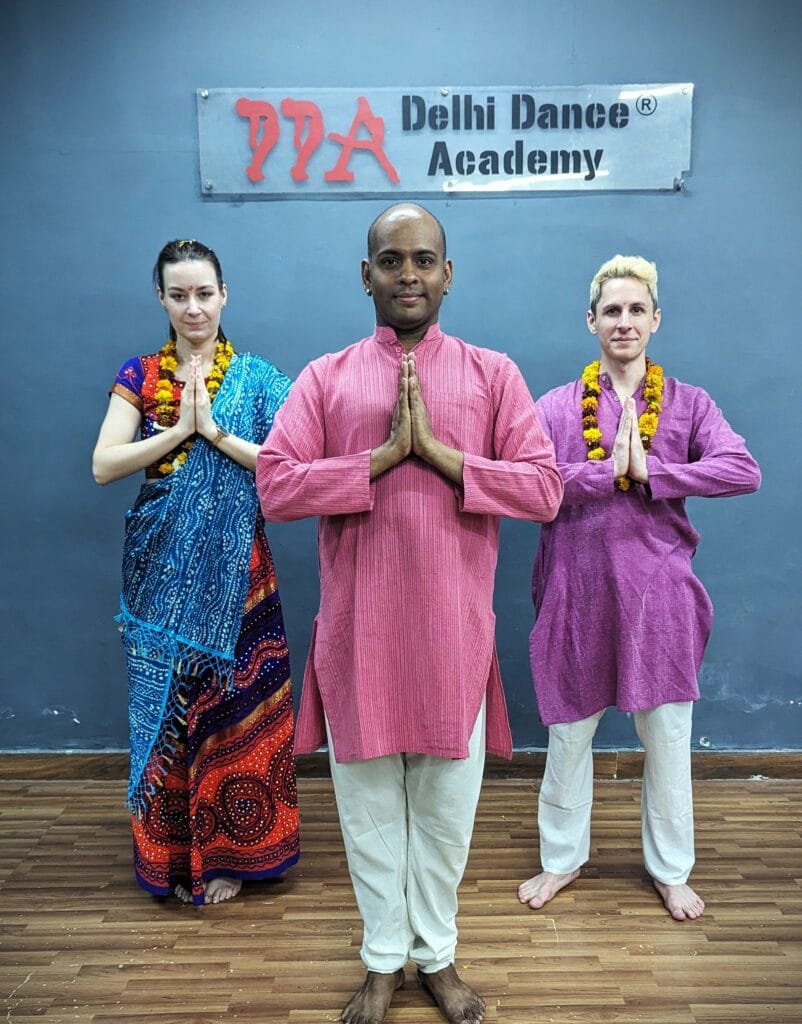
India was similar but different. We took a Bollywood dance class in Mumbai (I was bad at it, Z was better, this is not up for debate), and the songs from that room are now permanently attached to the memory of the floor, the instructor’s patience, the feeling of being completely ridiculous in the best possible way. Replaying one of those tracks now is basically teleportation (though only small bits of the choreography remain).
Pay attention to karaoke when you’re somewhere it’s part of the culture. What people actually choose to sing when they’re being honest is real cultural information. More honest than a museum, honestly.
Build the playlist during the trip, not after. By day three it’s already a time capsule. By day seven it’s a portal you can open any time you want. The playlist works on the ears. The next method works on something older.
How to Use Scent to Remember Travel Experiences
This one is one of my favorites. I own it. I am slightly embarrassed by how well it works, and I’m telling you about it anyway.
Smell is the only sense that bypasses the thalamus entirely and goes straight to the limbic system, the part of your brain that handles memory and emotion. Every other sense gets filtered first. Smell doesn’t. This is why a specific scent can drop you into a ten-year-old memory in under a second with no warning and no effort.
The method is simple. While you’re on a trip, find a scent that belongs to that place. You could deliberately bring a fragrance (sample size or decant), or even better, buy from a local perfumery during the early days of the trip.
It could come from a market, something you smelled at a stall and tracked down. It could be the soap in a nice hotel, some properties use Byredo or similar lines (and taking the bar home is not stealing, it is included in the room rate, do not feel bad about this). It could be incense from a temple, a leather good from a craftsman, something local and specific that you’d never encounter at home.
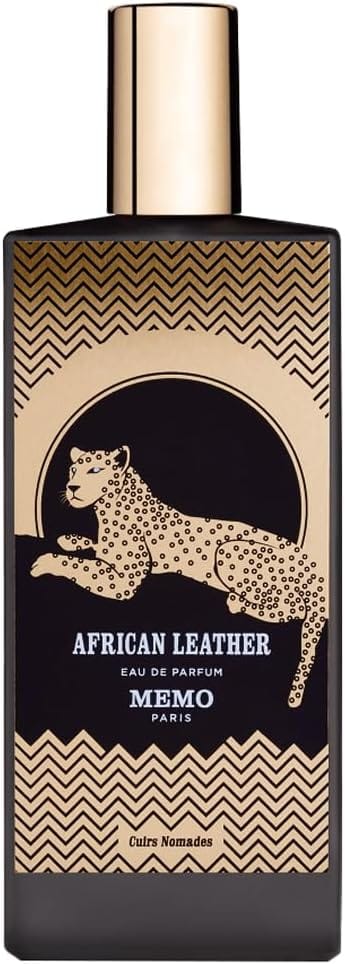
For our Tanzania safari, I picked up a Memo African Leather decant. Yes, it’s almost laughably on the nose for the destination. (That is sort of the point. The cliché is doing real work here.) The association is total and immediate. I opened that bottle eight months after the trip and had about four seconds of standing very still in my bathroom thinking about the Serengeti.
The rule isn’t that you can never wear it again. The rule is that it can’t become your daily reach. The moment it’s something you grab without thinking, it stops being a portal and starts being just cologne. Samples and decants help with this, because the limited supply keeps it intentional. Wear it on purpose, not on autopilot.
Sample sizes and decants are the move for this…I keep a few in my travel kit, full breakdown of what I actually carry on my travels.
Why a Travel Cooking Class Is One of the Best Ways to Relive a Trip
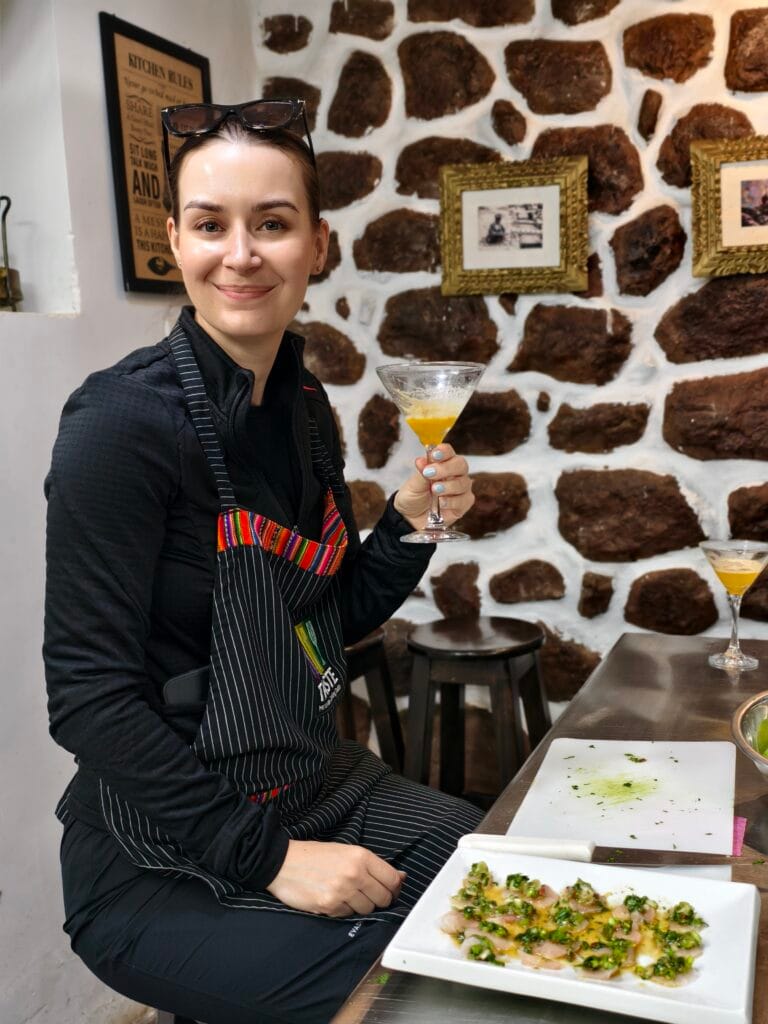
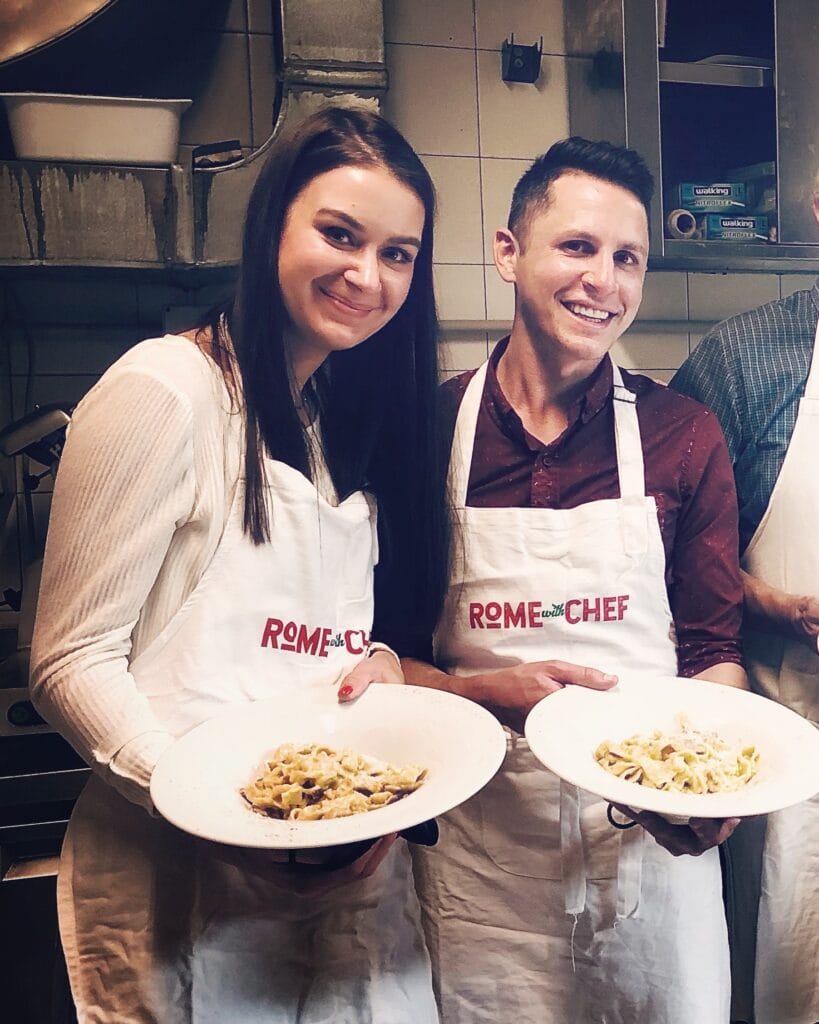
The class is half the point. Meeting a local chef and fellow travelers, visiting a local market, and discovering new ingredients. The class is how you get the information. The point is what happens six months later when you make the dish at home.
Muscle memory is a strange thing. Your hands remember the knife angle, the order of ingredients, the way the pan smelled when the oil was ready. Combined with the actual smell of the dish cooking in your own kitchen, it puts you back in that room with a reliability that surprises you every time.
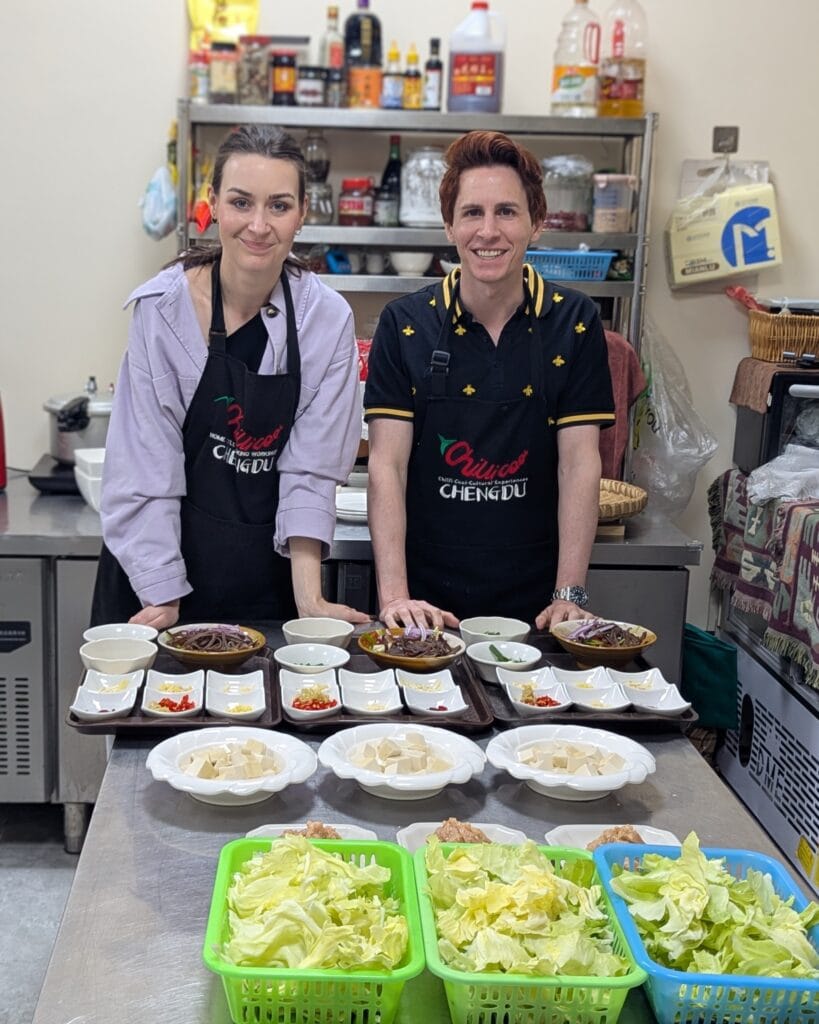
We’ve taken cooking classes in India, Thailand, Italy, Peru, China, and a few others I’m probably forgetting. (The handmade pasta in Italy, the mapo tofu from Szechuan, and the homemade paratha and curry from Udaipur are all now in regular rotation at home, which was not the original plan but is a fine outcome.) The specifics vary completely but the mechanism is the same every time: your body remembers the thing your brain is starting to blur.
This works especially well if you’re not a natural cook. The slight incompetence makes the memory sharper. You were concentrating hard, which means you were paying attention, which means the details stuck. If there’s a spice market near the class, buy one ingredient you can’t easily find at home, the most fresh numbing Sichuan peppercorns from Chengdu, something specific and slightly inconvenient to source later. The hunt to find it again becomes part of the memory loop. Photograph the recipe card or ask the instructor to write it down. Do not rely on your notes app.
The One Photo Trick That Beats a Camera Roll of 4,000
Here’s the paradox nobody talks about. You come home with four thousand photos. You scroll through them twice, maybe three times, and then they live in a folder you open less and less. The trip is in there somewhere, buried between seventeen nearly identical shots of the same street and fourteen attempts at a sunset that never quite captured what you saw. You feel almost nothing looking at them.
A cheap, framed photo on your wall from a local print shop, glanced at every morning on the way to the bathroom,that does more work than the entire camera roll combined. But the move is getting them off your phone and onto a physical surface you actually pass. The repetition builds something. A photo you scroll past is a record. A photo on your wall is a door.
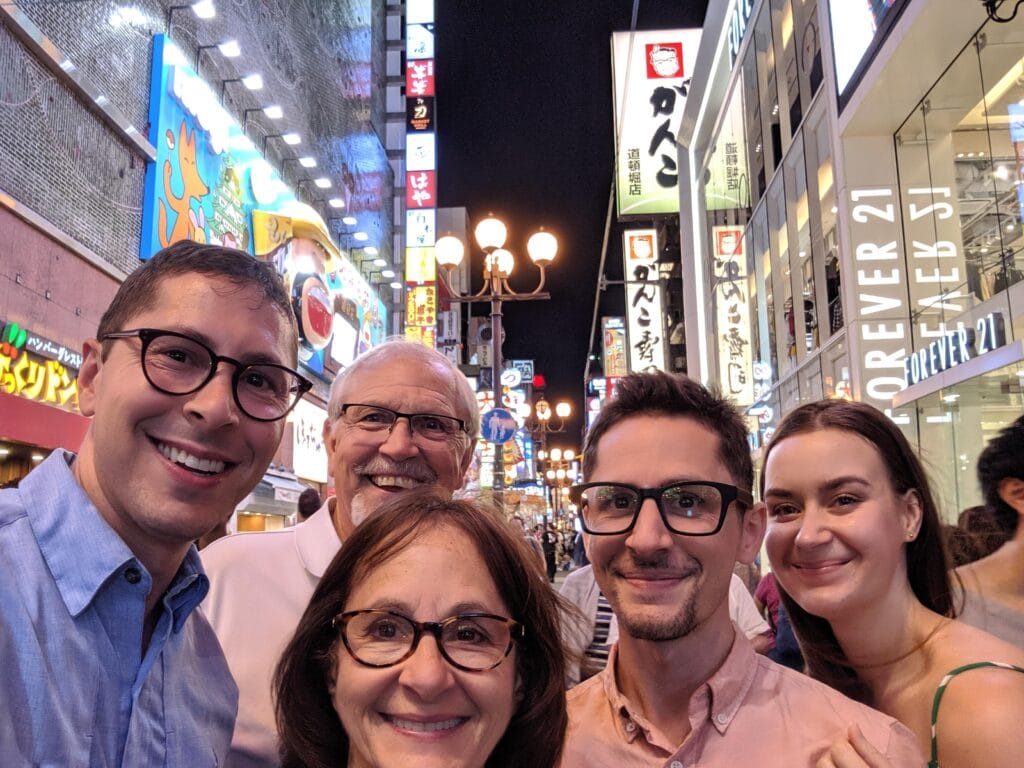
The one from our Japan trip isn’t the sharpest image technically. The light isn’t perfect. But it’s the moment that made me stop, the one where everything about the trip suddenly felt like it was in the right place, together with family, and that feeling is in the frame in a way that composition can’t manufacture. The one where your guest says, “hey, did you take that picture?” and you can tell them the story behind the pic.
Choose the most felt photo, not the most beautiful one. Print it, frame it, put it somewhere you’ll walk past it tomorrow morning.
How Following Locals on Instagram Keeps Travel Memories Alive
The city’s tourism Instagram is not going to keep the place alive for you. It’ll show you the same squares and viewpoints and filtered skies you already saw, and it’ll feel like looking at a postcard of somewhere you used to know.
Follow the actual people you met along the way.
The guide from Kruger who knew where the lions slept and said almost nothing for long stretches because he understood that silence was the whole point. The couple from a cruise we talked to for four hours and have now been following for two years. The contact from Transnistria, which is already a sentence that requires explanation, but the point is that a real person living there posting about their actual daily life keeps that place more present than any travel content ever could.
Real people age. They change jobs, move apartments, have bad weeks, post photos of their lunch. A place on Instagram stays frozen in its best light forever. That’s why following people works.Six months after a trip, their story appears in your feed and you’re back there immediately, because the person connects you to the experience in a way that geography can’t. The place is still going. You were part of it for a moment.
The Memory Technique That Makes Travel Experiences Stick
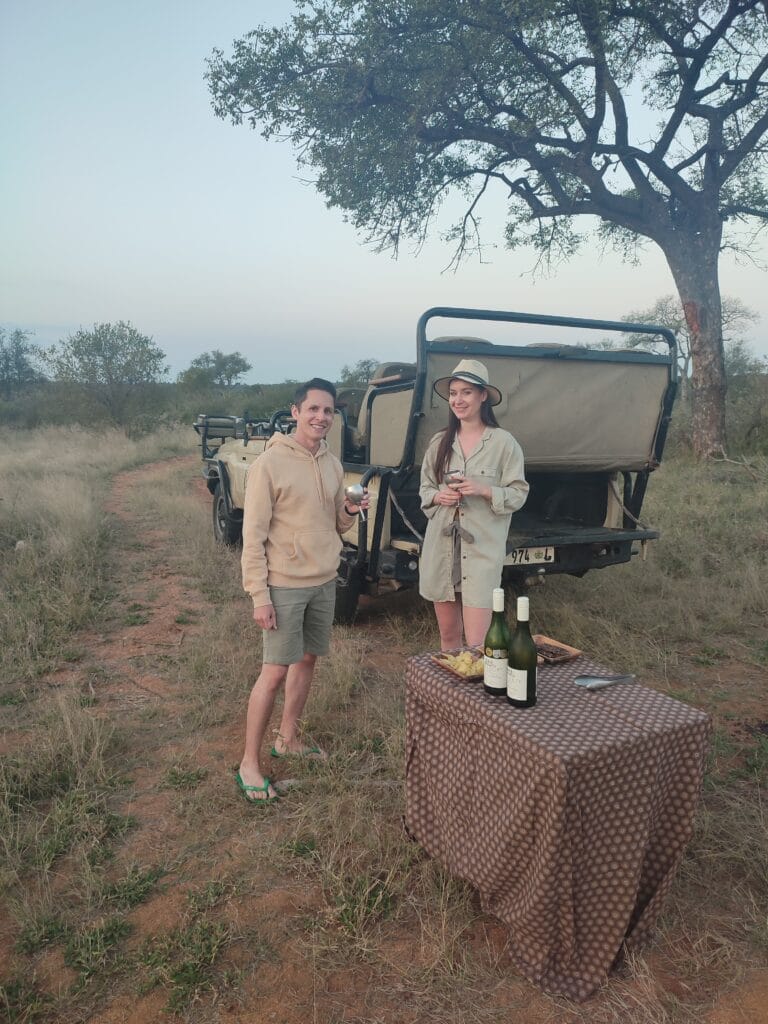
In Kruger, we’d done sundowners by a pond while hippos moved around in the water maybe thirty meters away, which is its own thing entirely, but the moment I mean came just after. The drive back through the bush as the sun finished dropping. The sky went purple in a way that felt almost aggressive about it. Stars appeared faster than seemed reasonable. The guide cut the engine and we just sat there, and somewhere nearby, lions that had been sleeping all afternoon started to stir. You could hear them before you could see anything.
I made a deliberate decision in that moment to pay attention. Not to photograph it, not to describe it to anyone, just to name what I was sensing as specifically as I could. The smell of the dust. The specific temperature of the air. The sound of the bush waking up. The feeling in my chest that I didn’t have a clean word for.
There’s a memory principle called encoding specificity, the more sensory detail attached to a memory at the moment it forms, the more ways your brain has to retrieve it later. Basically, the richer the recording, the easier the playback. You do this deliberately by pausing, naming five things you’re sensing, and telling yourself clearly: this one. That’s it. It sounds like something a wellness account would post. It works anyway.
More Ways to Make Travel Memories Last (Quick Ones)
One quick one that doesn’t fit a category but shouldn’t be skipped.
Learn three to five words in the local language before you go, not tourist phrases, not “where is the bathroom.” The weird ones. The slang. The ones that make locals pause slightly and then laugh that you know them. Those words stick to the trip in a way that “thank you” never will.
Film One Minute of Nothing. Don’t Post It.
This one is specifically for anyone who creates travel content, but honestly it applies to everyone with a phone.
Everything you film on a trip is a performance. Even the “candid” stuff. Even the behind-the-scenes. The moment you point a camera at something you’re making a decision about it, framing it, thinking about who’s going to see it. That’s not a criticism, it’s just what happens. I do it too, constantly.
So on the last morning — while you’re packing up the room, zipping the bag, doing that final sweep under the bed for chargers, just hit record and leave it. Don’t frame anything. Don’t narrate. Let Z walk through the shot looking for her passport. Let the taxi horn outside do what it does. Let the room look like a room someone just lived in for a week.
What you end up with is the only footage from the entire trip where nobody was performing. You can hear how you actually sounded. You can see how you actually moved. The background noise is just the place, not the place you were presenting to anyone.
Watch it six months later. It’ll feel more like being there than anything else you filmed.
Z and I do most of this without having named it until recently. The playlist from every trip, the scents, the anchor moment in the bush that I’ve now described to probably seven people who weren’t there. None of it was a system when we started. It just turned out to be what worked.
The trip doesn’t have to fade. It just needs a little attention while you’re still in it.
Buy the magnet if you want. Just don’t expect it to do the heavy lifting. What’s your version of this? Does anyone else do the scent thing or is that just me?
FAQs: How to Preserve Travel Memories
Disclaimer: This post contains affiliate links. If you make a purchase through these links, I may earn a commission at no extra cost to you.