
Packing List for Galapagos Islands: The Essential “Worth It” Gear Guide
TL;DR: What You Actually Need
The most important thing I learned after eight days in the Galapagos is that the sun is an apex predator and your boat cabin is a logistical trap. You don’t need a safari suit, but you do need a “Sanity Protocol” for sleep and a very specific strategy for wet landings. Z was temporarily blind for two days because of a seasickness patch—that story comes with product recommendations and a warning below. Keep scrolling for the only list that prioritizes your eyes and your ego. Skip to the Checklist
The zodiac hit the water with a slap that felt personal. I was sitting there with a Pana-Leica lens that weighs as much as a small child, staring at a blue-footed booby that was so close I could see the judgment in its eyes. I realized then that my packing list for Galapagos Islands was going to look very different from the generic ones I’d read online. If you aren’t prepared for the reality of moving from a rubber boat into knee-deep surf with expensive gear, you’re in for a very expensive week.
Before You Pack — What to Pack for Galapagos to Survive the Equator
The Galapagos sits directly on the equator. This means the UV index isn’t just a suggestion; it’s a threat. You’re also dealing with “wet landings,” which is a fancy way of saying you’ll be jumping out of a rubber boat into the Pacific while trying to keep your camera dry.
Most vessels are small. Space is at a premium. If you bring a hard-shell suitcase that doesn’t fit under your bed, you’ve just moved into a very expensive closet. Also, grab an Airalo eSIM before you even land in Quito. I had data the second we touched down, and if you’re not doing this already, I don’t know what to tell you.
For the curious, do have a look at my full galapagos cruise review.

What to Pack for a Galapagos Trip — The Gear That Actually Matters
Sun Protection — Building Internal Tolerance
I didn’t burn. Not once. Part of that was the external shielding, but I also used Astaxanthin to build internal tolerance to the sun. It sounds like pseudoscience until you’re the only person on the boat who isn’t peeling like an onion.

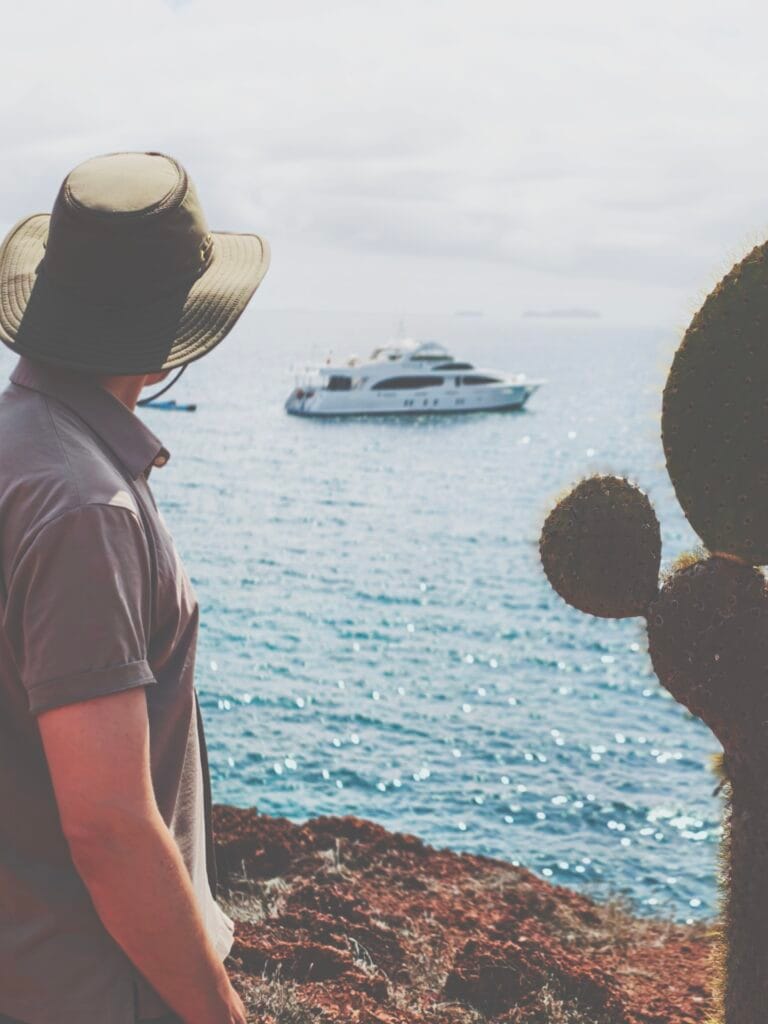
You also need a Sun Hat (I recommend a Tilley hat with its lifetime guarantee). It needs to be wide-brimmed, UPF 50+, light, and waterproof. Most importantly, it needs to float, because the Pacific wants to take it from you.
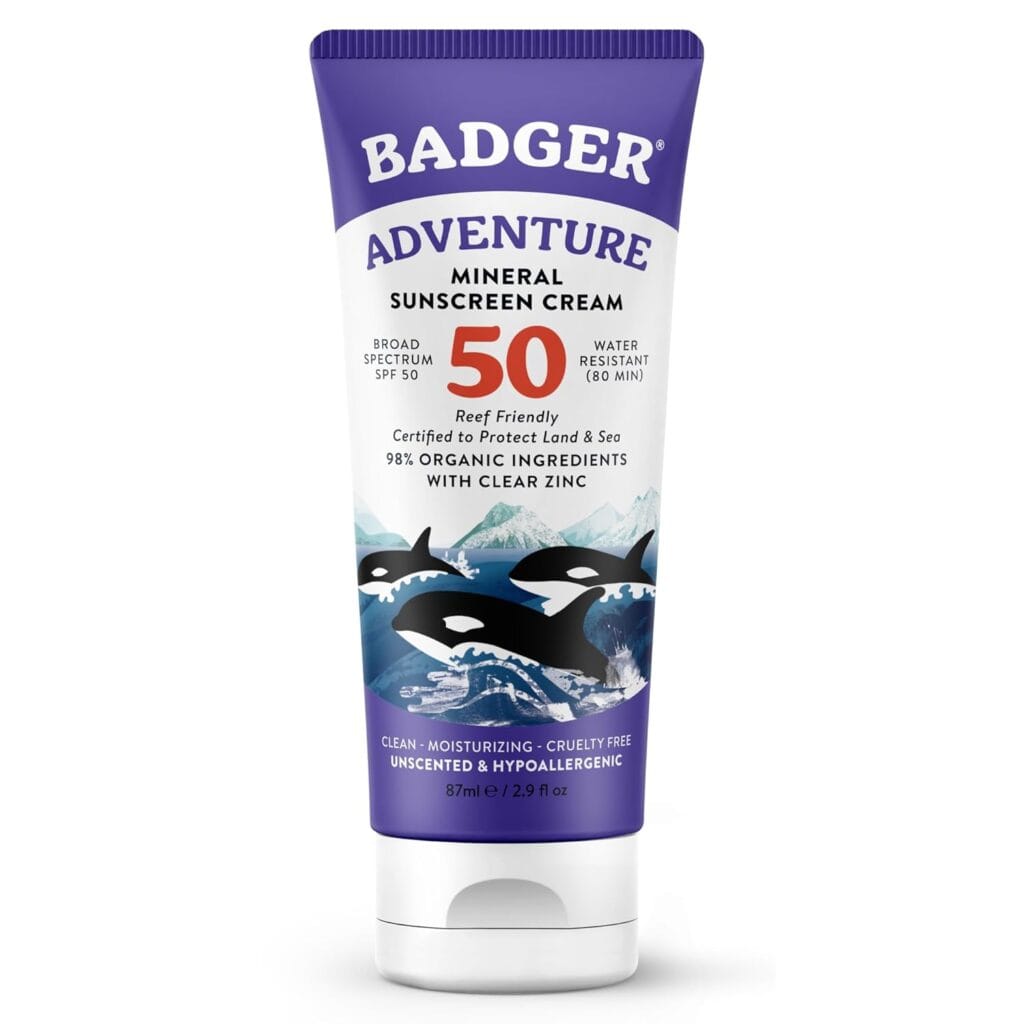
Reef Safe Sunsreen SPF 50. Protects the fragile environment while protecting your fragile skin. Apply in morning and before your afternoon outing. For snorkelling sessions, make sure the back of your neck gets some attention.
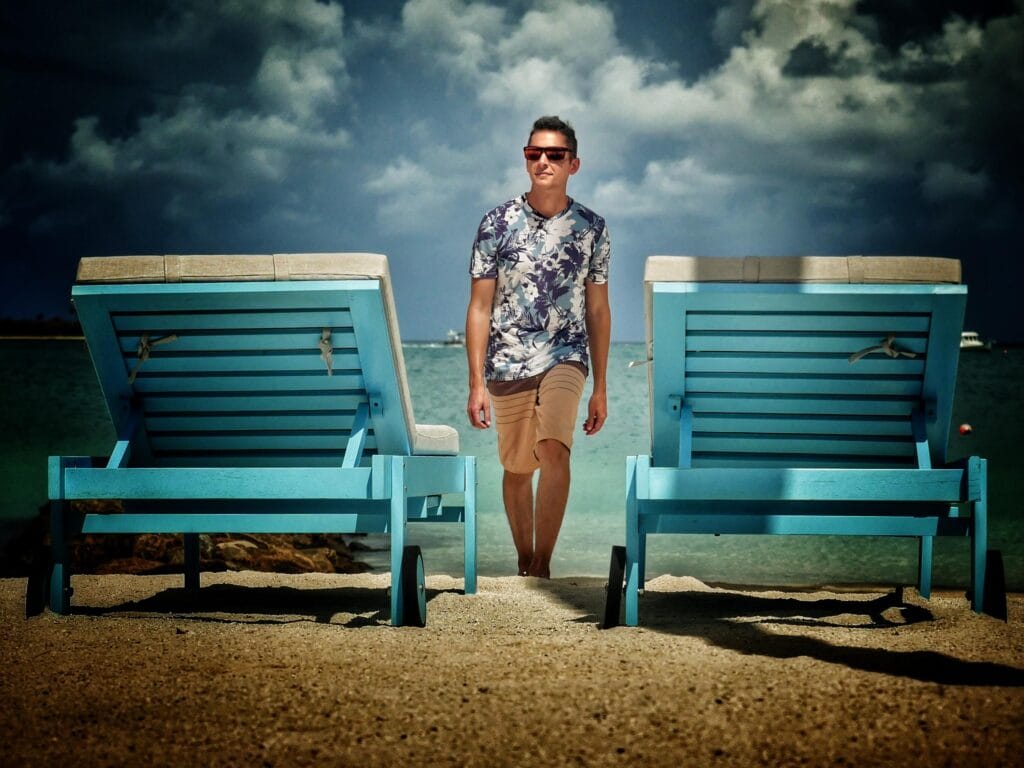
Polarized Sunglasses (I prefer Maui Jim for water activities) and a strap. Protect your eyes while still appreciating the vivid colors of the islands.
How to Beat Seasickness — A Cautionary Tale of Temporary Blindness
I don’t get seasick, but I did find it nearly impossible to sleep with the constant pitch and roll of the unstabalized vessel. Z, however, gets seasick if she looks at a glass of water too quickly. We tried everything: Sea-Bands, ginger candy, over-the-counter meds like Dramamine.
Nothing worked.
She eventually tried the scopolamine patch. It gave her chronic dry mouth, and then she accidentally touched her eye after handling the patch. She was functionally blind in that eye for two days. (She had a similar experience in the Drake Passage on our Antarctica trip). If the patch doesn’t work for you, don’t force it. The side effects are a special kind of hell.
Be prepared and do what you can to combat the symptoms of seasickness, as something may work very well for you.

Swimwear and the “Wet Wetsuit” Reality
Putting on a wet swimsuit is a specific misery. You need at least two because nothing dries in the cabin humidity. But here’s the reality: you’re going to be putting on a cold, wet wetsuit over that swimsuit anyway. Z and I spent half the trip doing the “wetsuit dance” on the deck, which is a lot of grunting and hopping for a few moments of discomfort before you’re back in the water.
Get a UV rash guard to wear underneath; it makes the wetsuit a little bit warmer and you can wear it for sun protection during hikes or swims as it is UPF 50+.
Two Pairs of Shoes, Two Very Different Jobs
Flip-flops are a “no.” Don’t do it. You’ll slip on a wet zodiac floor or trip over a marine iguana. My entire family used the Hoka Hopara 2 for wet landings. They dry quickly and have enough grip for hiking across jagged lava rocks. Sometimes I just held them in my hand during the actual landing to keep them dry for the hike, but for the most part, they are the only shoe you need for the islands.

Keen Newport H2 are another popular closed-toed choice that can get wet and still give you the grip and support you need on land.
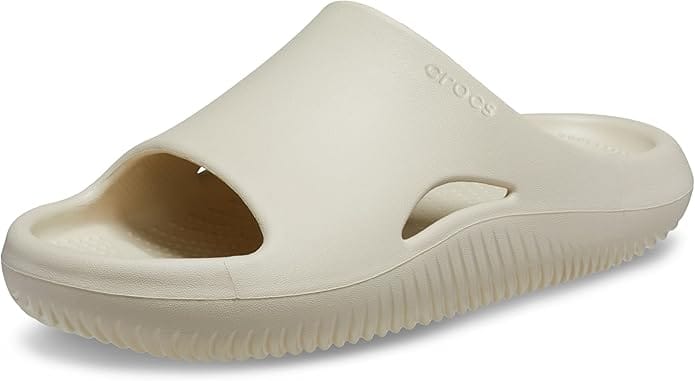
You’ll want a pair of clean slide sandals to wear on the yacht. Everyone takes off their outside shoes on deck and leaves them on a shoe rack, so you’re either in slides or socks whilst onboard. This is one time Crocs are acceptable.
Dry Bags — Keeping Your Electronics Alive
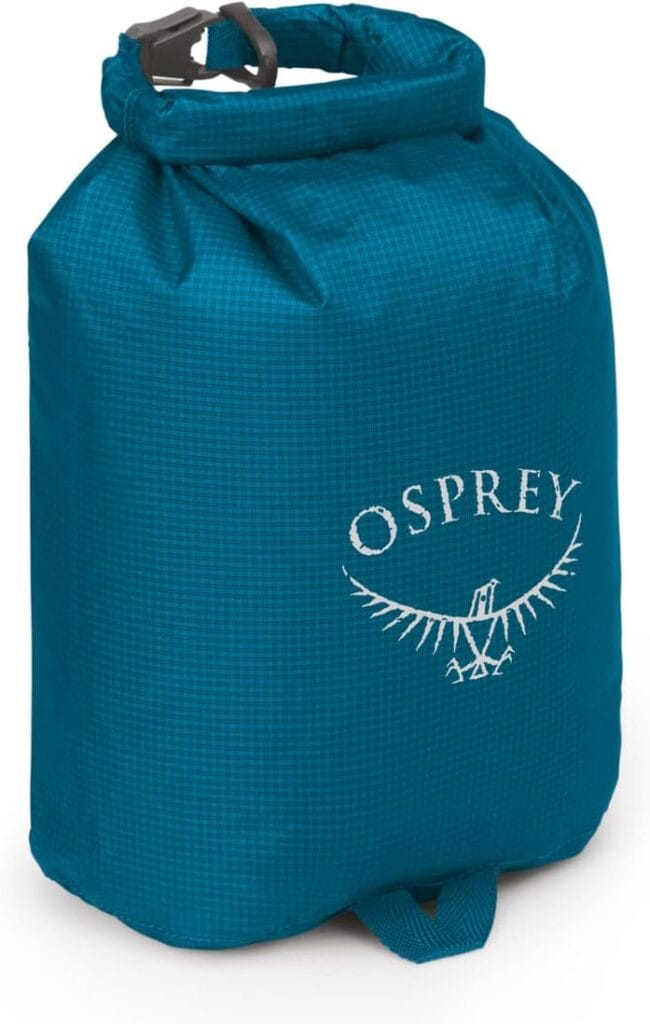
Once you’ve sorted your footwear, you need to worry about the water coming from above. Between the panga spray and the sudden equatorial downpours, your gear is always at risk. Any proper dry bag will do.
What You Can Actually Leave at Home
Binoculars. I’m going to say it, and the birders are going to come for me in the comments. You do not need binoculars in the Galapagos. The animals here have no fear. You will be standing two feet away from a blue-footed booby. If you need binoculars to see a giant tortoise that is currently blocking the trail, you have bigger problems than packing. Save the space. Disagree? The comments are open.
Bugspray. It just wasn’t an issue on the islands and we barely saw insects. Flies bite during certain landings are the main threat here, but no spray is effective against them, just layers.
Packing for the Season — Warm vs. Cool
I went during the garúa season (June to November). It’s cooler and drier, but the water is choppier. This is when the seasickness meds really matter. When I saw cooler, it is still the equator, so not cold cold. I always have SafetyWing travel insurance running in the background. I didn’t need to file a claim for “temporary scopolamine blindness,” but the one time you really need it, you’ll be glad you have it.
Clothing — Light, Quick-Dry, and the “Arctic” AC
You don’t need much, but what you bring needs to work. Focus on technical fabrics with SPF protection—linen is great in theory, but it stays damp for three days in the Galapagos humidity. I leaned heavily on breathable tech shirts and light slacks that could handle a dusty trail and a casual dinner.
The biggest mistake people make is only packing for the heat. Onboard, the air conditioning is usually aggressive. You’ll be sitting at dinner in 65-degree air after being in 90-degree sun all day. Bring a light windbreaker or a versatile jacket for the deck and the dining room.
- The Dress Code: There isn’t one. Even on luxury ships, “fancy” means a clean shirt and pants that aren’t covered in salt spray. A simple sun dress or light slacks are all you need.
- The Layering Rule: If it doesn’t breathe, don’t pack it. You want pieces that can layer under that windbreaker when the sun goes down and the ship starts moving.
5 Things I Wish Someone Had Told Me About Packing for the Galapagos
- Macro Mode is King: Even a good phone camera with a macro mode is useful because you get that close to the wildlife.
- The Long Lens Struggle: If you bring a big lens like my Pana-Leica 100-400mm, you need fast shutter speeds and excellent autofocus tracking.
- Insta360 + Dive Case: This is the ultimate “lazy” capture tool. I didn’t have to worry about framing while a sea lion was trying to nibble my fins.
- The Sanity Kit: Your cabin is loud. Bring the noise machine, the eye mask, and the melatonin.
- The Bidet: I’ve said it before. I’ll say it again. Bring the travel bidet.
Is the Galapagos Worth It?
The scent of the Galapagos is something I can still trigger if I close my eyes. It’s a mix of salt spray, sun-baked lava, and the slightly musky, goat-human cry of a baby sea lion calling for its mother. It is one of the most interesting sounds on the planet.
Is it worth the logistics? Obviously. But only if you pack like someone who actually intends to enjoy it. I’ve got my full travel gear list on my Full Gear Page if you want to see the specific electronics that survived the Pacific.
FAQs — Galapagos Packing Questions Answered
At the end of the day, you’re going to the Galapagos to see things that don’t exist anywhere else. You’re going to see iguanas that swim and birds with bright blue feet. Don’t let a lack of earplugs or a bad reaction to a seasickness patch ruin that. Pack the “Sanity Protocol,” bring the right shoes, and leave the binoculars at home.
Pre-Trip Packing Checklist for Your Galapagos Cruise
☀ Sun protection
0/4 ▼🌌 Seasickness
0/4 ▼🏊 Water gear
0/4 ▼👞 Footwear — 3 pairs, 3 jobs
0/3 ▼💧 Dry bags and waterproofing
0/3 ▼🌙 Sanity kit
0/3 ▼🎰 Everything else
0/3 ▼Full disclosure: Some links here are affiliate links. If you use them, I get a tiny kickback at no cost to you, which keeps this site running and fuels my travel coffee habit. I only recommend tools I actually used.